Rescue Stories That Restore Hope
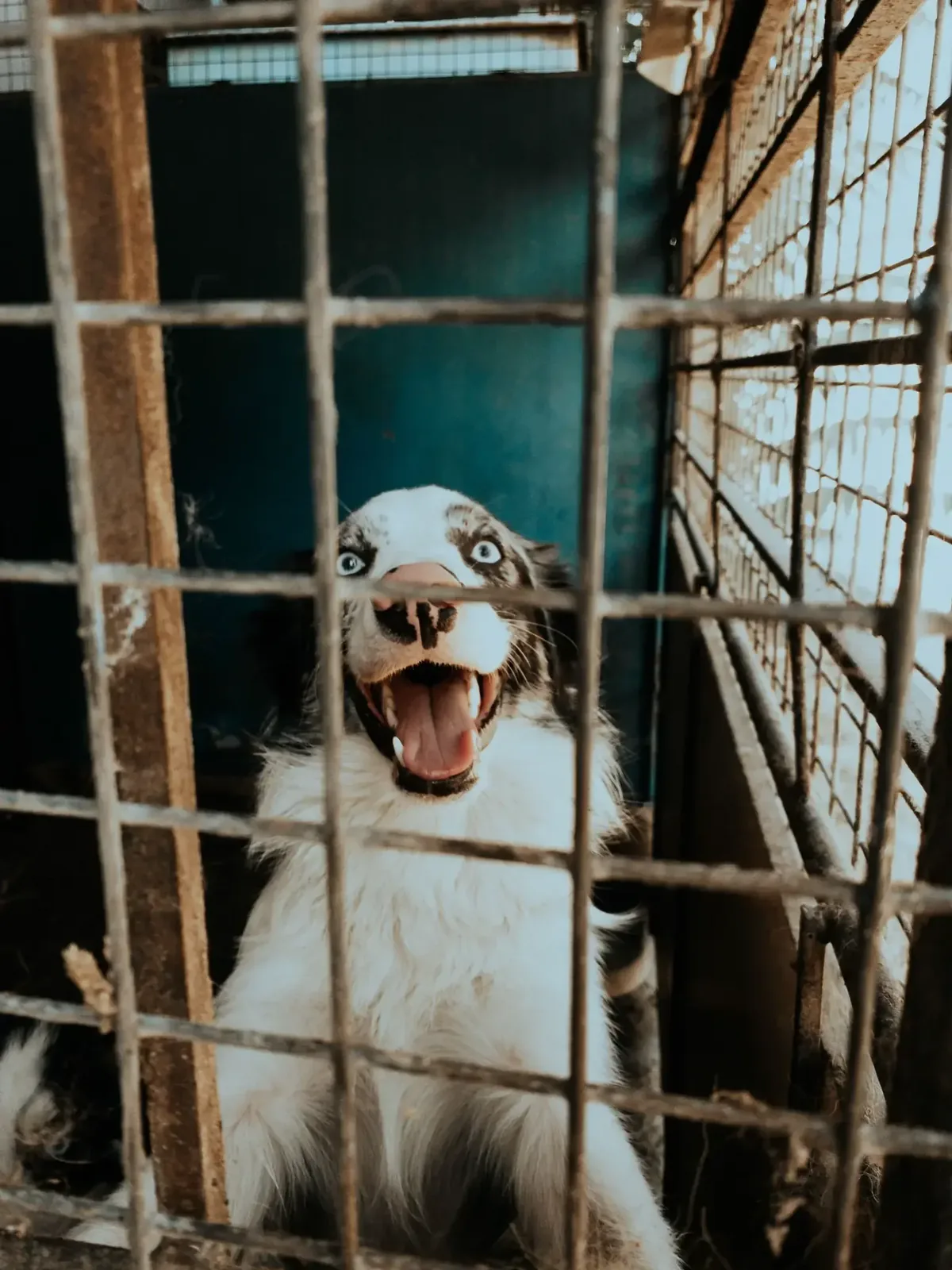
Fifteen minutes. That's roughly how long it takes for a frightened shelter dog's stress hormone levels to measurably drop once someone simply sits with it and starts petting it.
Not soothing sounds. Not treats.
Just hands, patience and enough stillness for the body to believe it's actually safe.
The dog behind these bars hasn't had that fifteen minutes yet. You can see it in the eyes, the particular kind of wide that comes from a nervous system running on alert, still deciding whether the world in front of it is dangerous.
I don't know this dog's name. I don't know what happened before the cage, whether it was a stray picked up cold and hungry, or handed over by someone who'd run out of whatever kept them holding on.
None of that changes what the fifteen minutes can do. Cortisol doesn't check a dog's backstory before it starts dropping.
What gets me is how little rescue actually costs, measured this way. Not money.
Not paperwork. Fifteen minutes of a person choosing to sit still next to something frightened, long enough for a body to recalibrate what it thinks is coming next.
We talk about rescue like it's dramatic, a leash slipped on at the last second, a dog pulled back from some edge. Mostly it's quieter than that.
It's fifteen unremarkable minutes, repeated, until fear runs out of reasons to stay. Nobody photographs that part.
There's no single dramatic before and after, just a slow accumulation of ordinary minutes until a nervous system finally agrees it's allowed to rest.