Sustainable Living When the Forecast Is a Warning
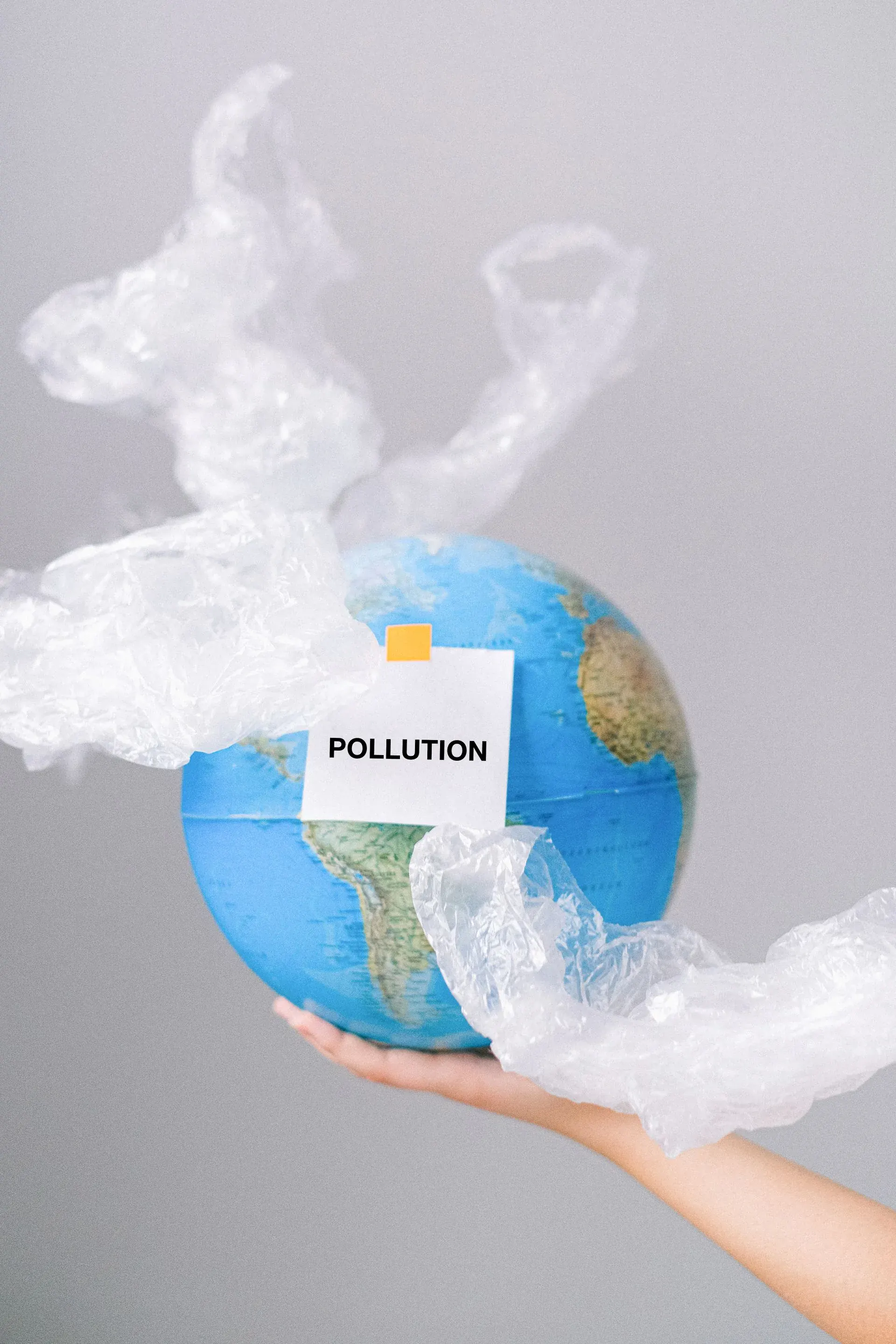
A single frictionless click is often all it takes to bypass the pause that would normally stop an impulse buy, retailers have known this for years. There's a moment before you order it.
The item sits there, cheap, fast, one click away and something in you already knows it'll sit in a drawer within a month. You buy it anyway.
Most of us have.
Then there's the other moment. The one where you finally clear the drawer out.
Where you stand over a pile of things you once needed badly enough to buy and now can't remember why and something in you exhales.
That's the part nobody talks about when they talk about sustainability. It's not only about what we consume.
It's about what we're willing to let go of and how much lighter the letting go makes us.
I think about my garden sometimes. How the trees only really breathe when there's space around them, room for air to move, room for light to reach the ground.
A garden that's overplanted doesn't look abundant, it looks strangled. Nothing has room to become what it's actually meant to be.
We're not so different. A life that's overfull doesn't feel rich, it feels heavy.
Too many things bought to fill a feeling that things were never going to fill. Too little space left to notice what we actually have.
Sustainable living, now, might not be a grand gesture. It might just be the small decision to stop filling and start clearing.
One drawer. One cupboard.
One habit of buying to feel something instead of buying because you need it.
Sometimes the most sustainable thing you can do is make space for what's already alive in you to breathe. What would you clear out this week, if you let yourself.