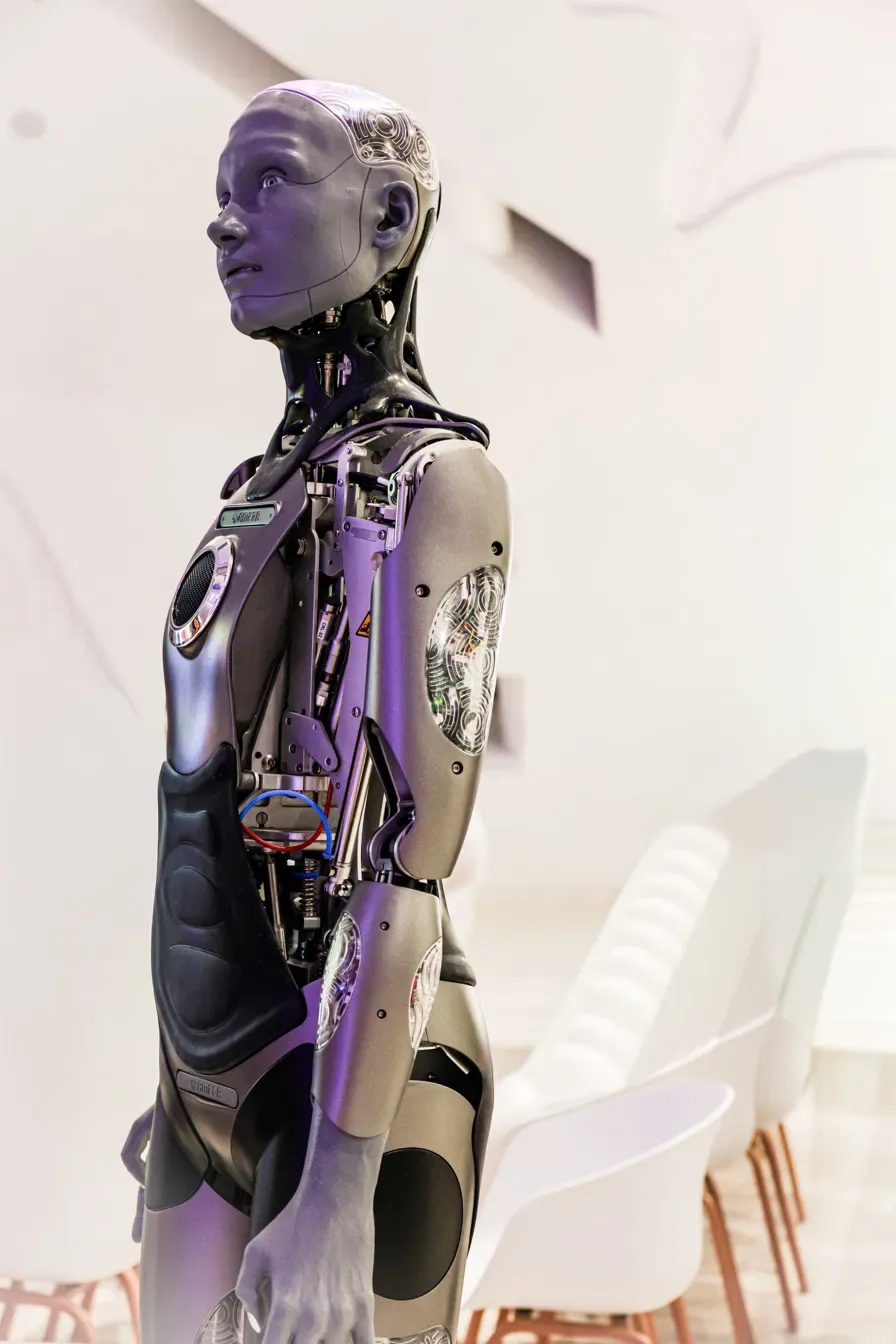
Warmth is cheap to produce and easy to fake. On the difference between how a tool feels to deal with and whether it can be relied on.
Technology that serves thought, not the other way round.
Warmth is cheap to produce and easy to fake. On the difference between how a tool feels to deal with and whether it can be relied on.

An influential 2013 study predicted a large share of jobs were at high risk of automation. Actual outcomes since have been considerably slower than that forecast.
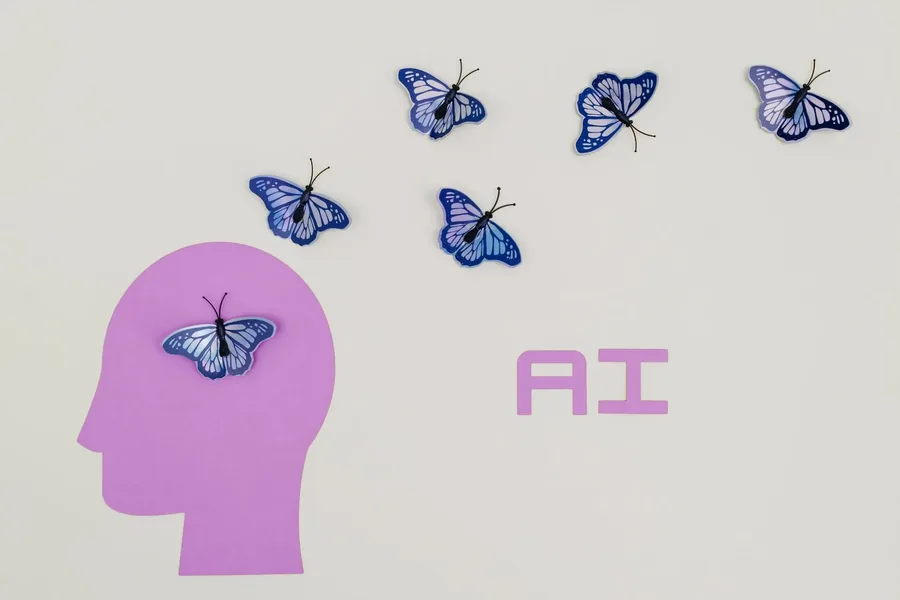
I think technology should feel like an extension of what you actually want to do, not a replacement for thinking. The best tools are the ones that get out of your way and let you think more clearly, create more freely and connect more deeply.
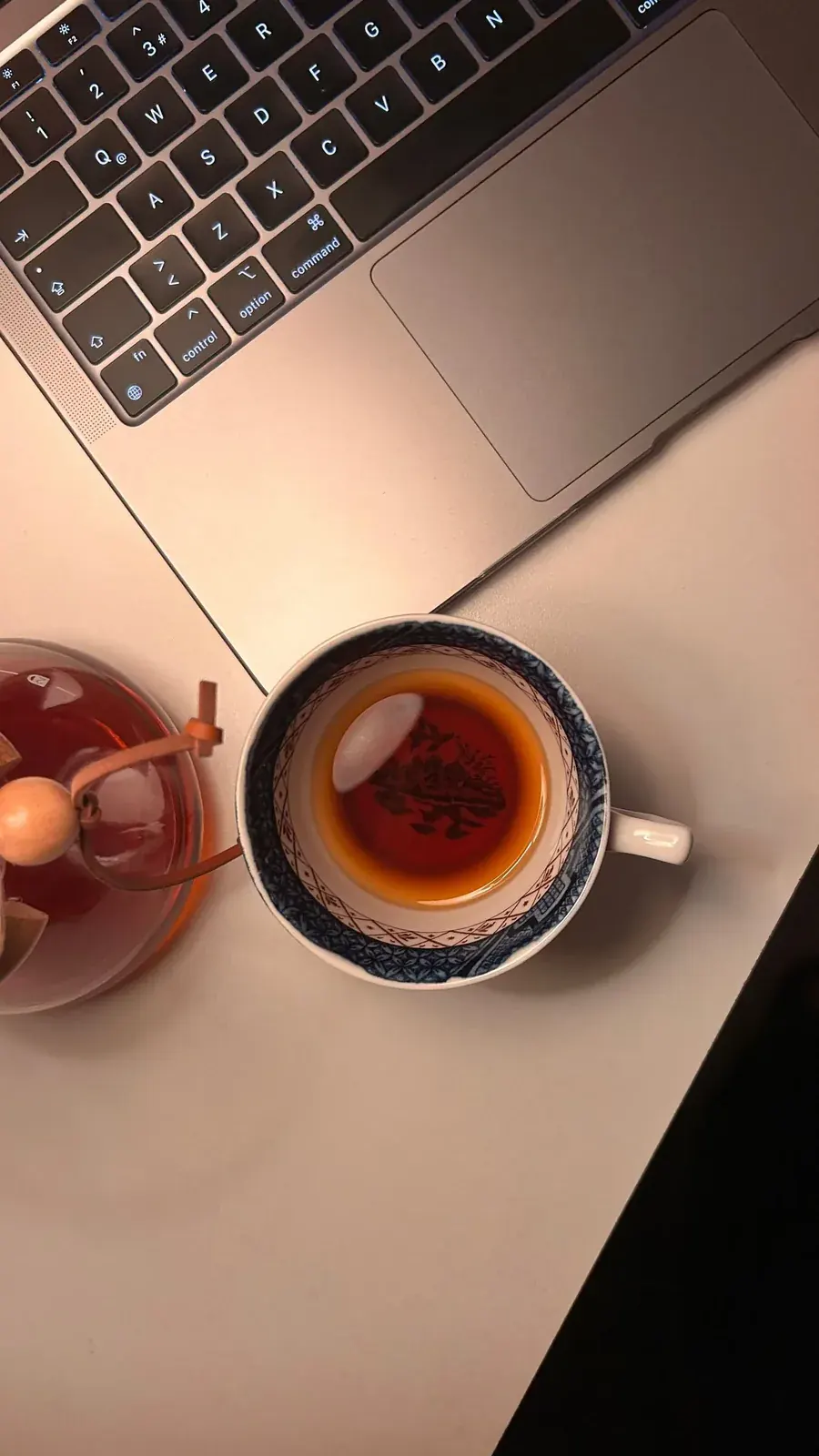
A personal reflection on using AI to reduce friction without giving away judgement, privacy or the pleasure of doing things slowly.
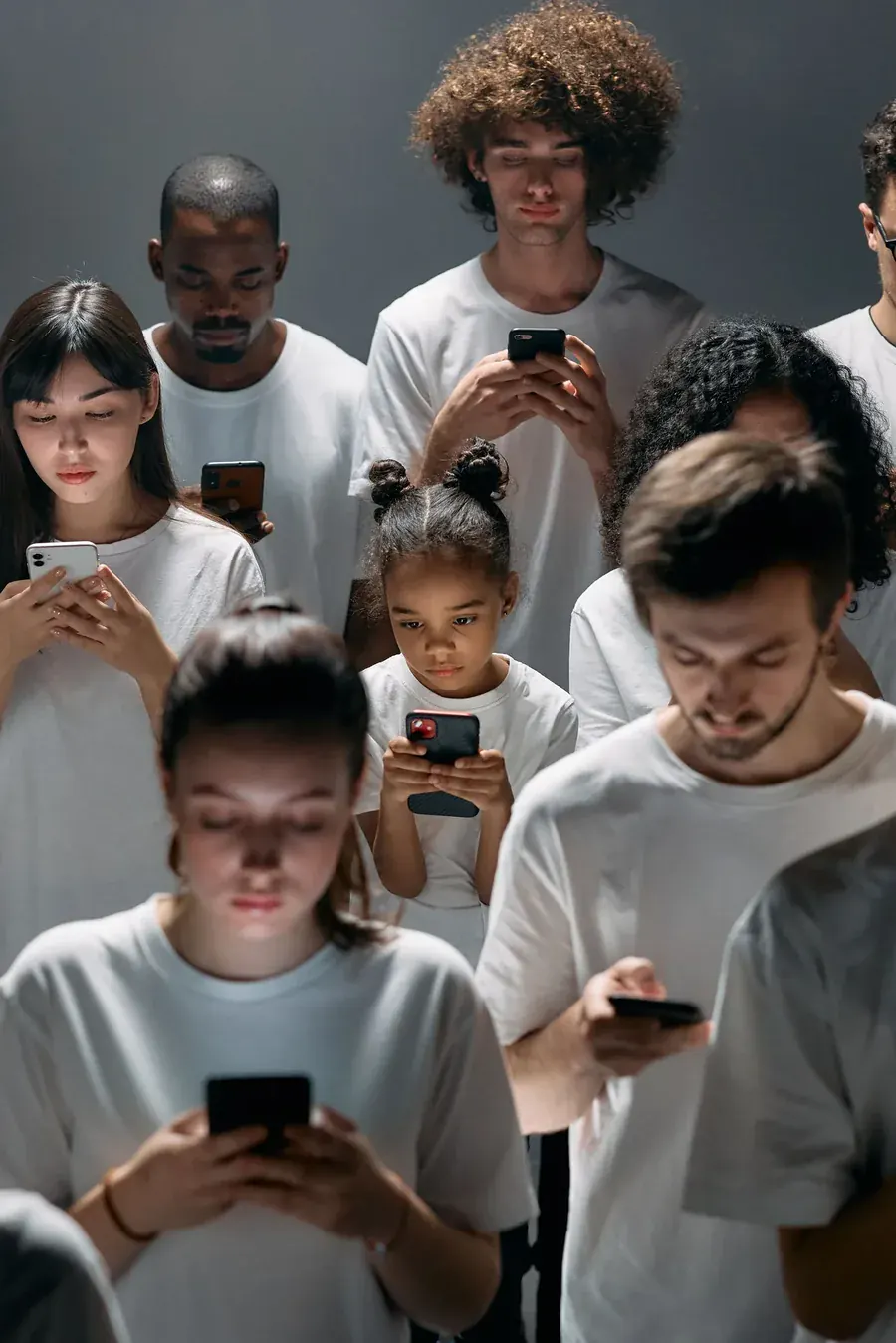
A quiet examination of how useful tools can support a person without taking over their attention, judgement or agency.
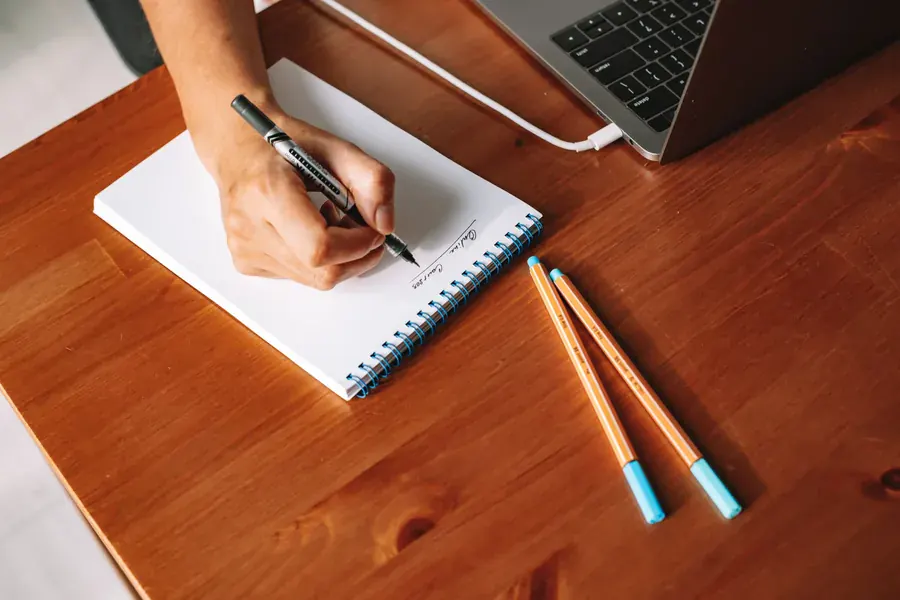
There's an old, blunt principle in computer science that's aged better than most of the technology it was coined for. Garbage in, garbage out.
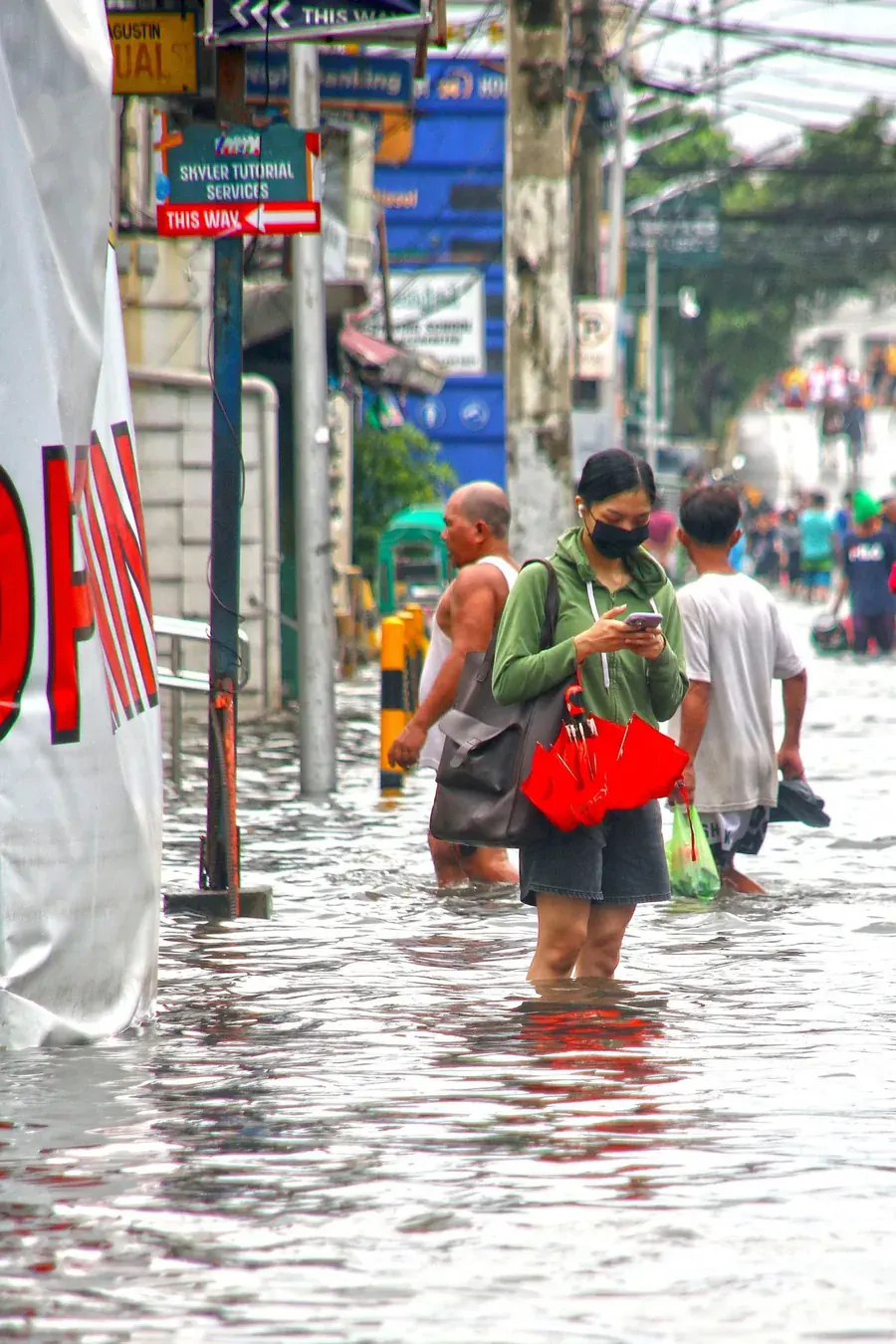
The same technology being used to model climate solutions also carries a real, measurable energy and water cost of its own.

Tools have a funny way of growing beyond their purpose. The answer isn’t to throw the laptop out of the window. It’s to stay the one in charge.
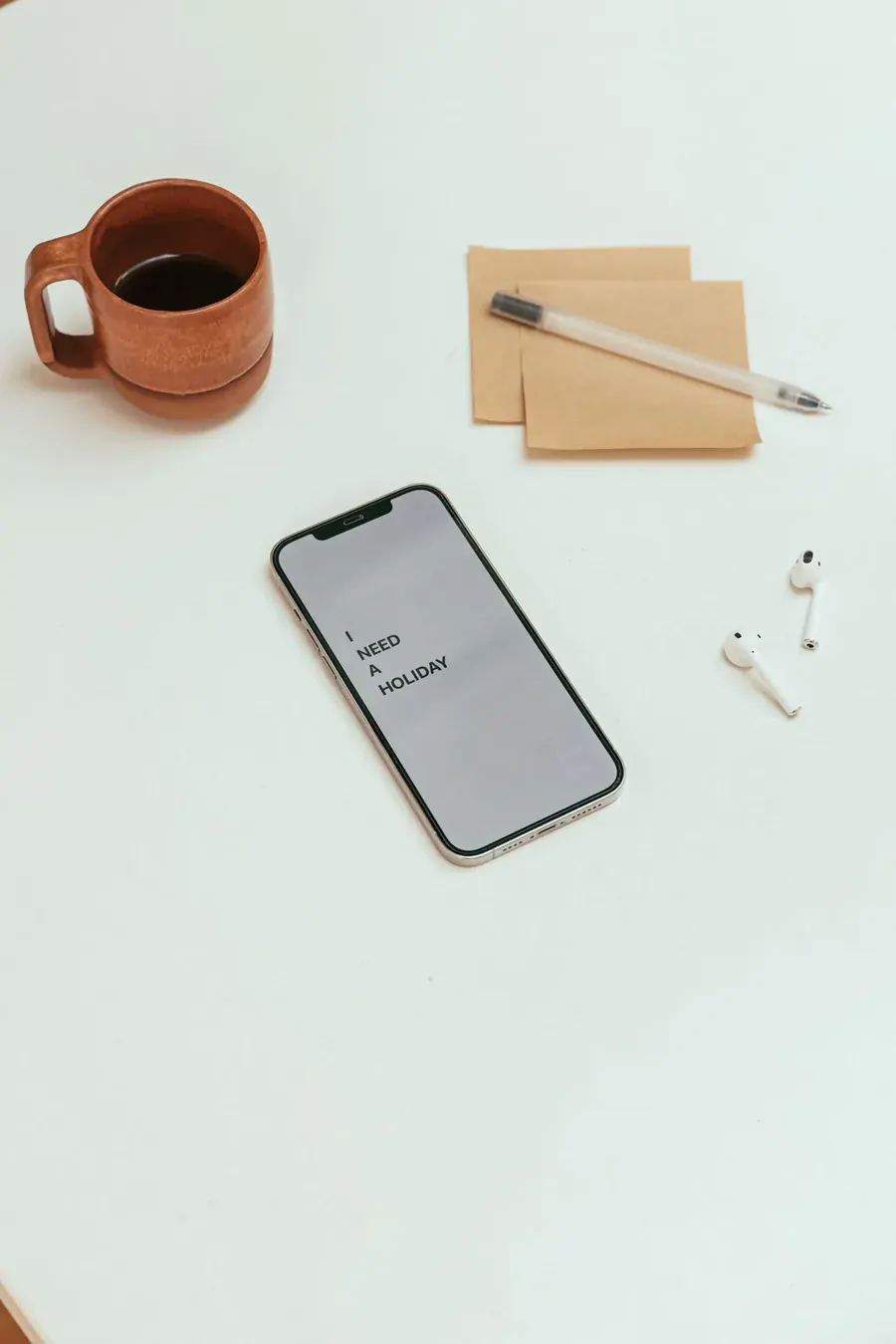
We think of rituals as ancient. Candles. Chants. Offerings. But the human need for ritual is not bound to any technology. It is bound to intention.
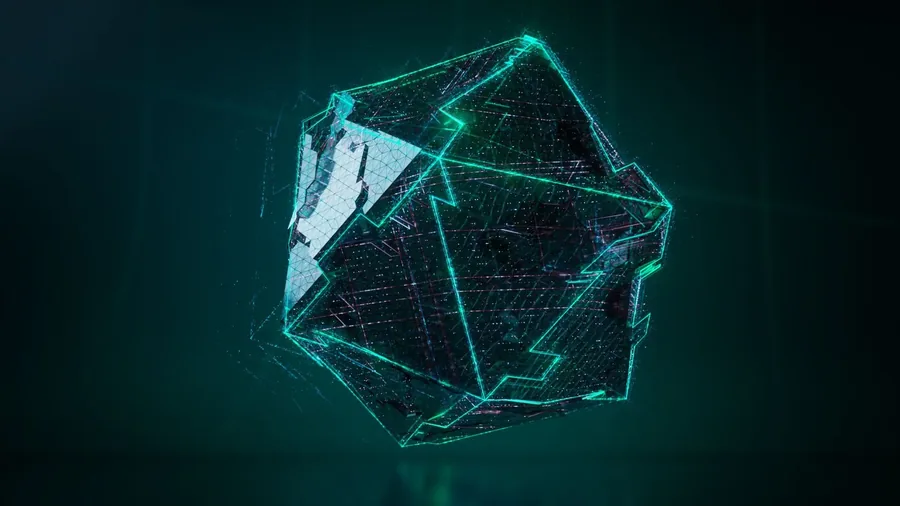
Technology has developed its own aesthetic. Neon grids. Glitch effects. Holographic interfaces. These visuals are not just decoration. They are a visual language that signals innovation, futurity and the dissolution of boundaries between physical and digital.
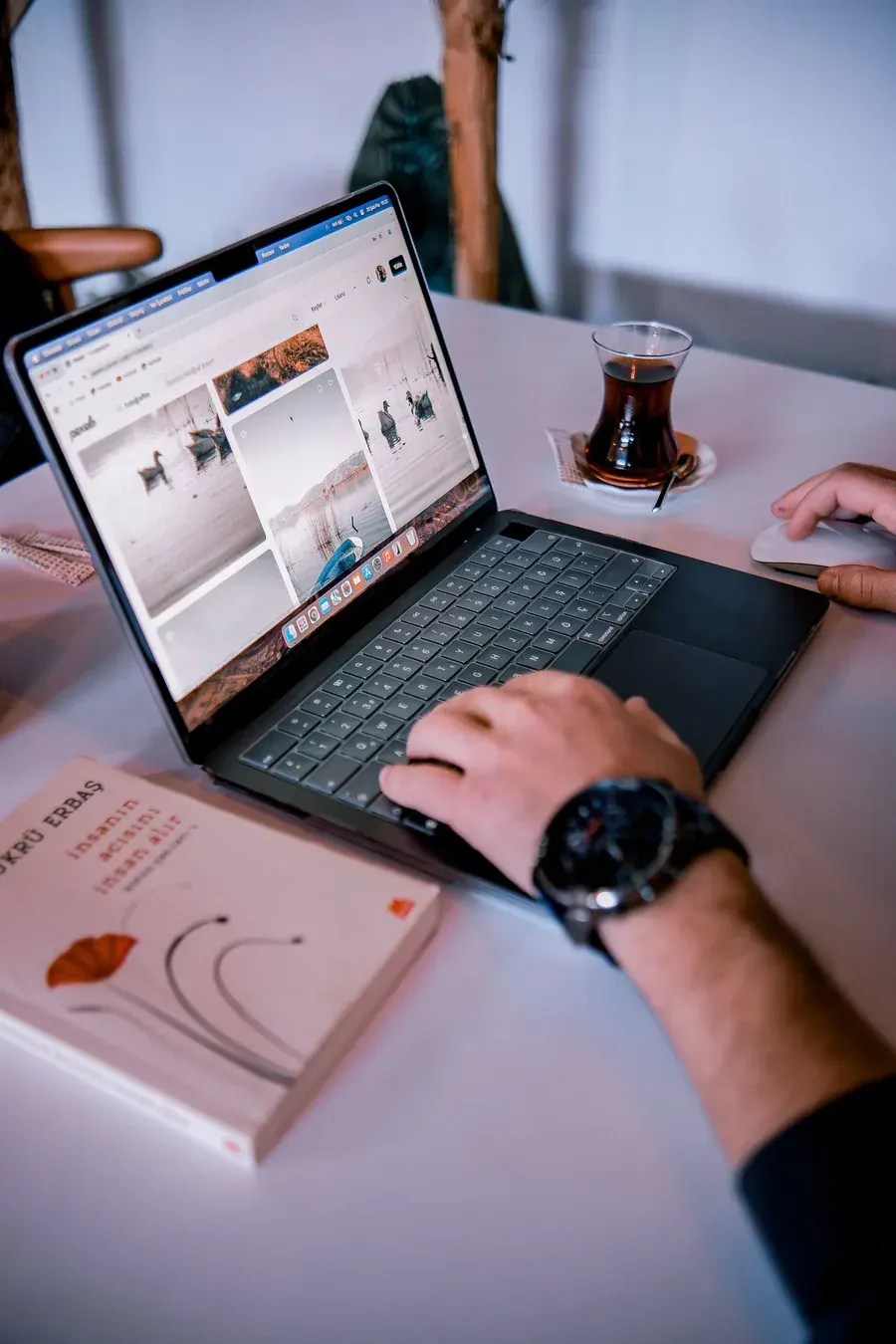
Your mind is for having ideas, not holding them. That is the idea behind the second brain movement and honestly, it has changed how I think. Externalise your thinking so that your biological brain is free to do what it does best: connect, create and wonder.
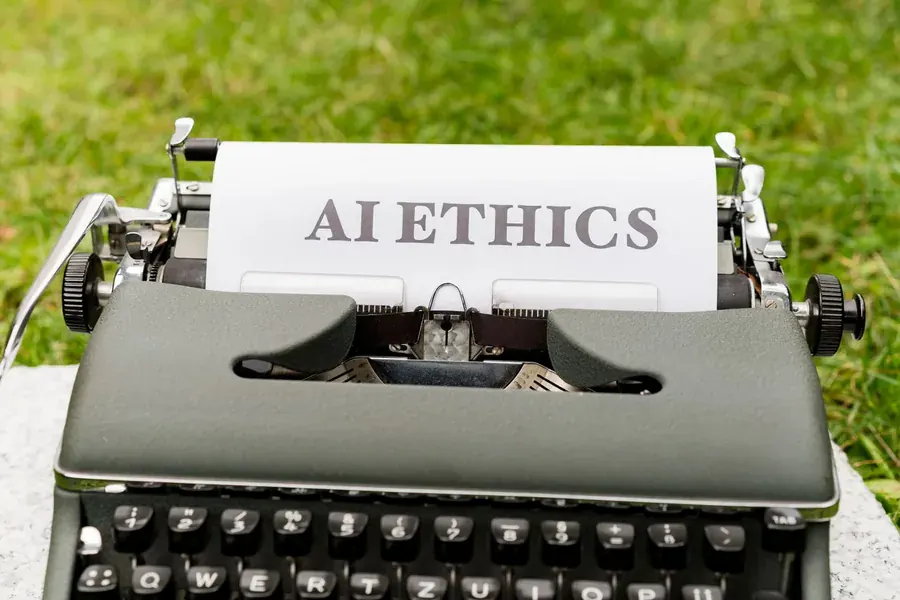
The questions I ask about AI are ordinary ones: privacy, trust, responsibility and whether a useful tool gives us time back.

I am interested in technology when it brings people into better conversations, not when it tries to make the people unnecessary. A tool can organise a meeting, find a pattern, or help with a first draft. It cannot decide what matters to the people sitting around the table.
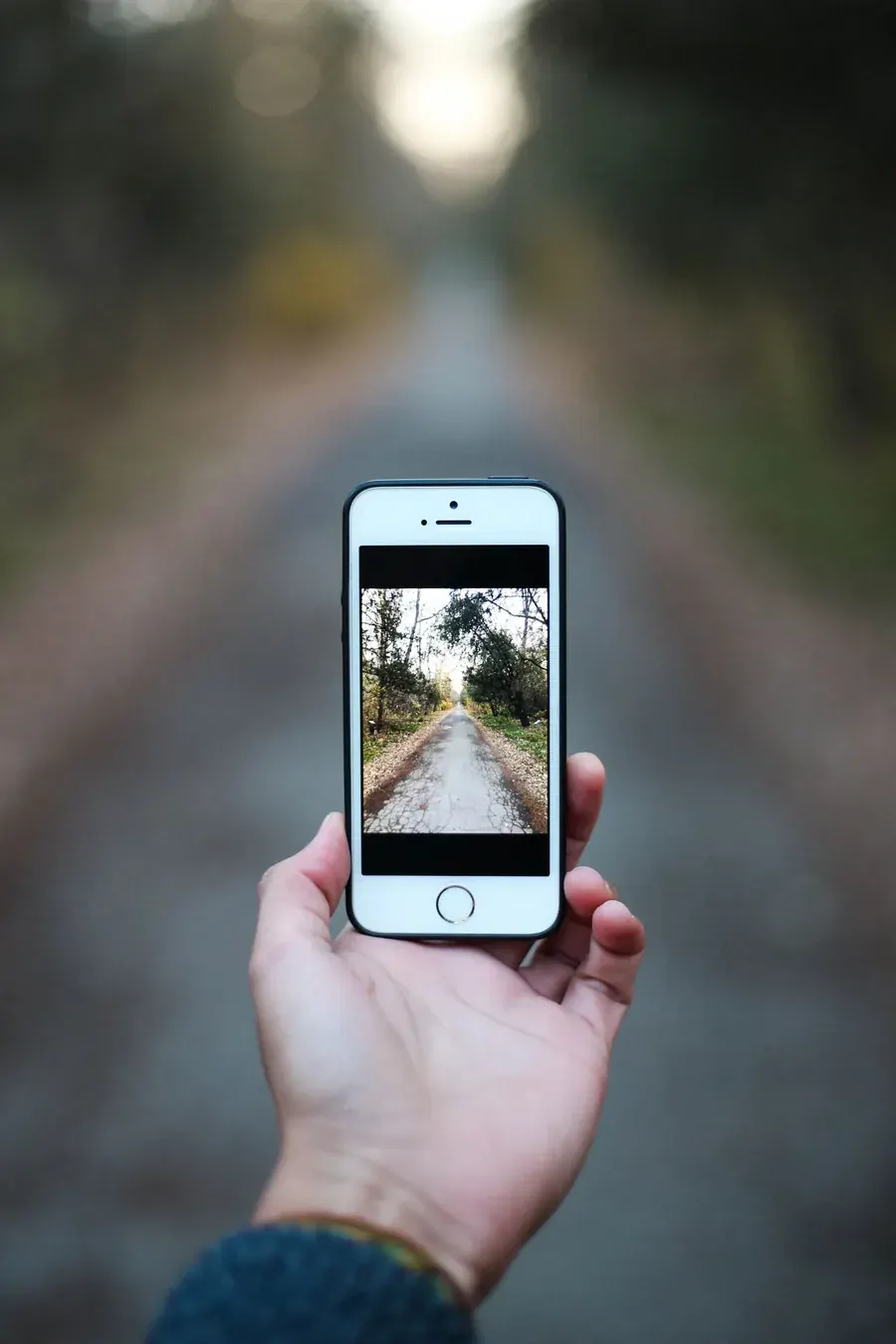
A study on museum visitors found people remembered fewer objects and fewer details when they photographed them rather than just looking.
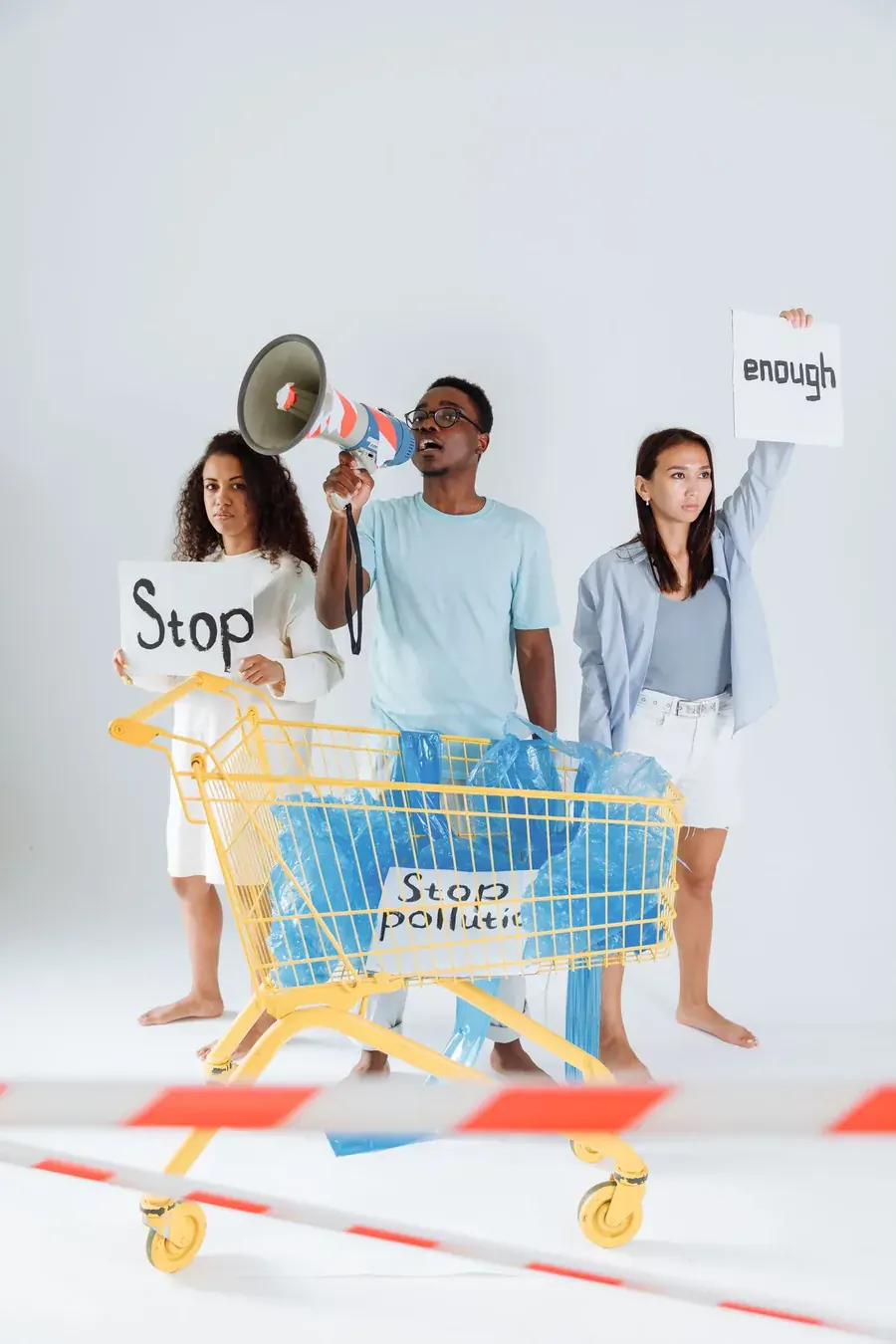
Same-day delivery carries a measurably higher carbon cost per item than slower, consolidated shipping, because the loads are smaller and the routes less efficient.
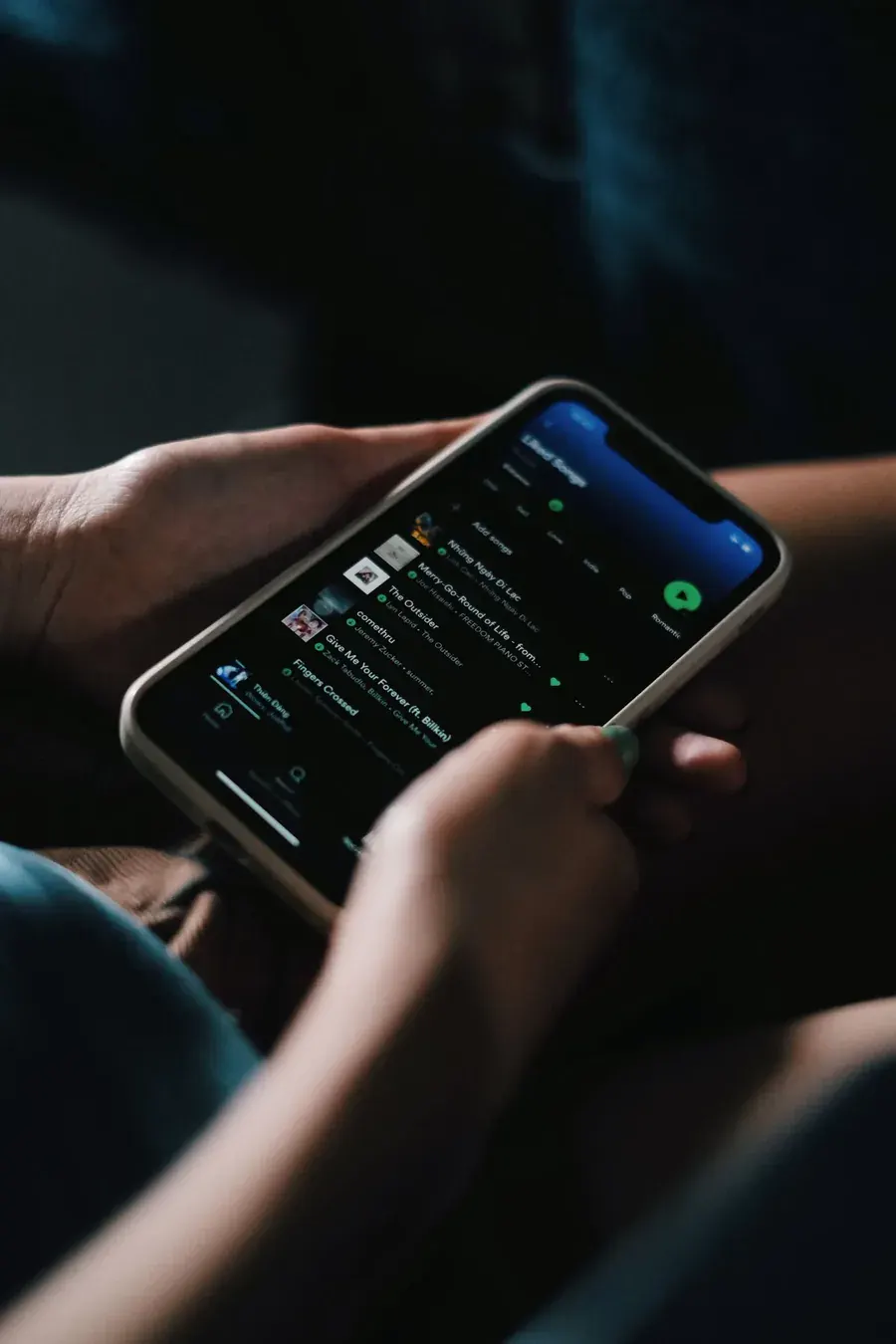
Studies of recommendation algorithms find that personalised suggestions can measurably narrow what a person ends up seeing over time, not widen it.
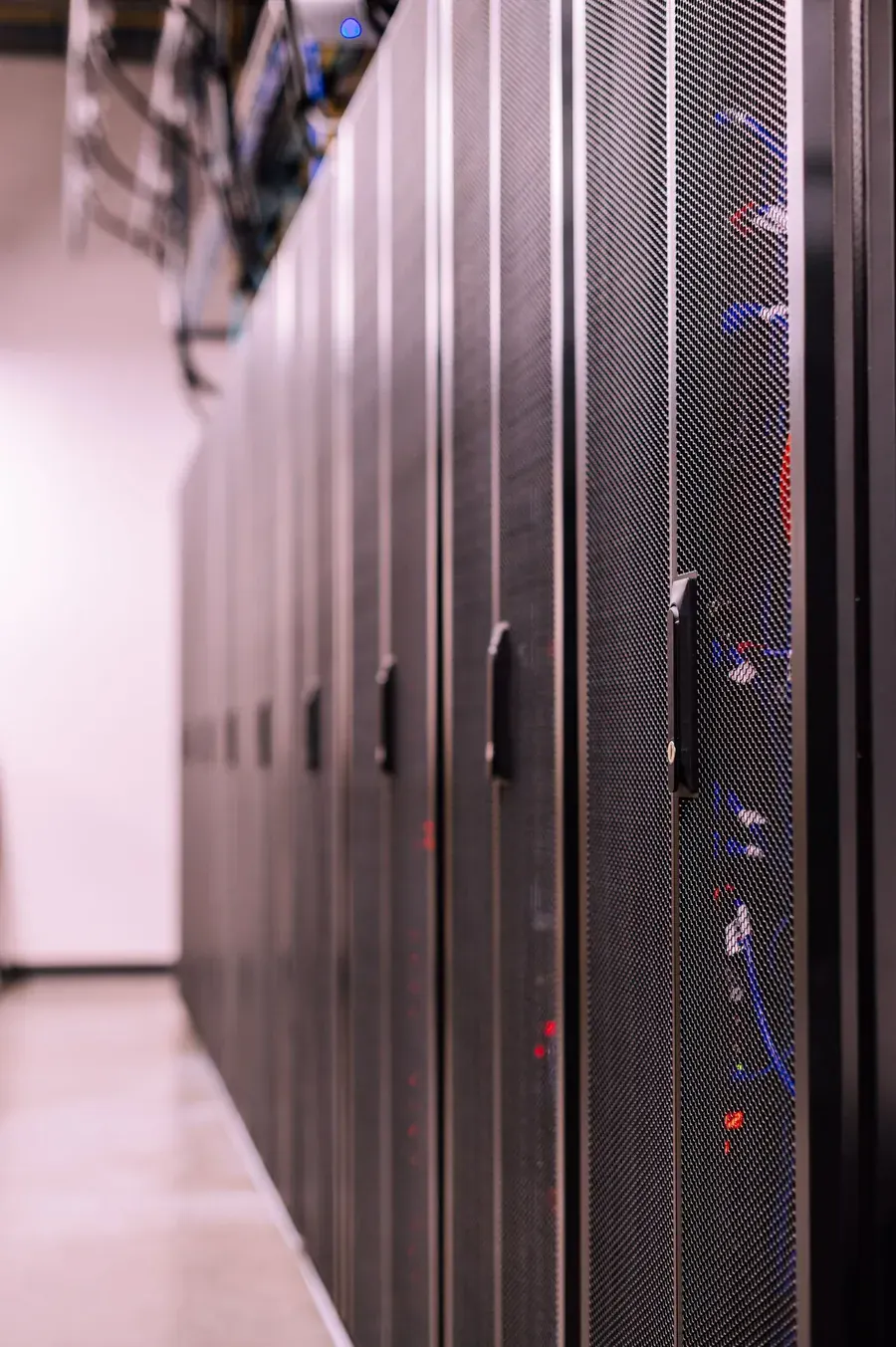
Every instant response from a device travels first through a physical building somewhere, drawing real electricity and, often, real water to stay cool enough to keep running.