Do Wellness Trackers Really Work?
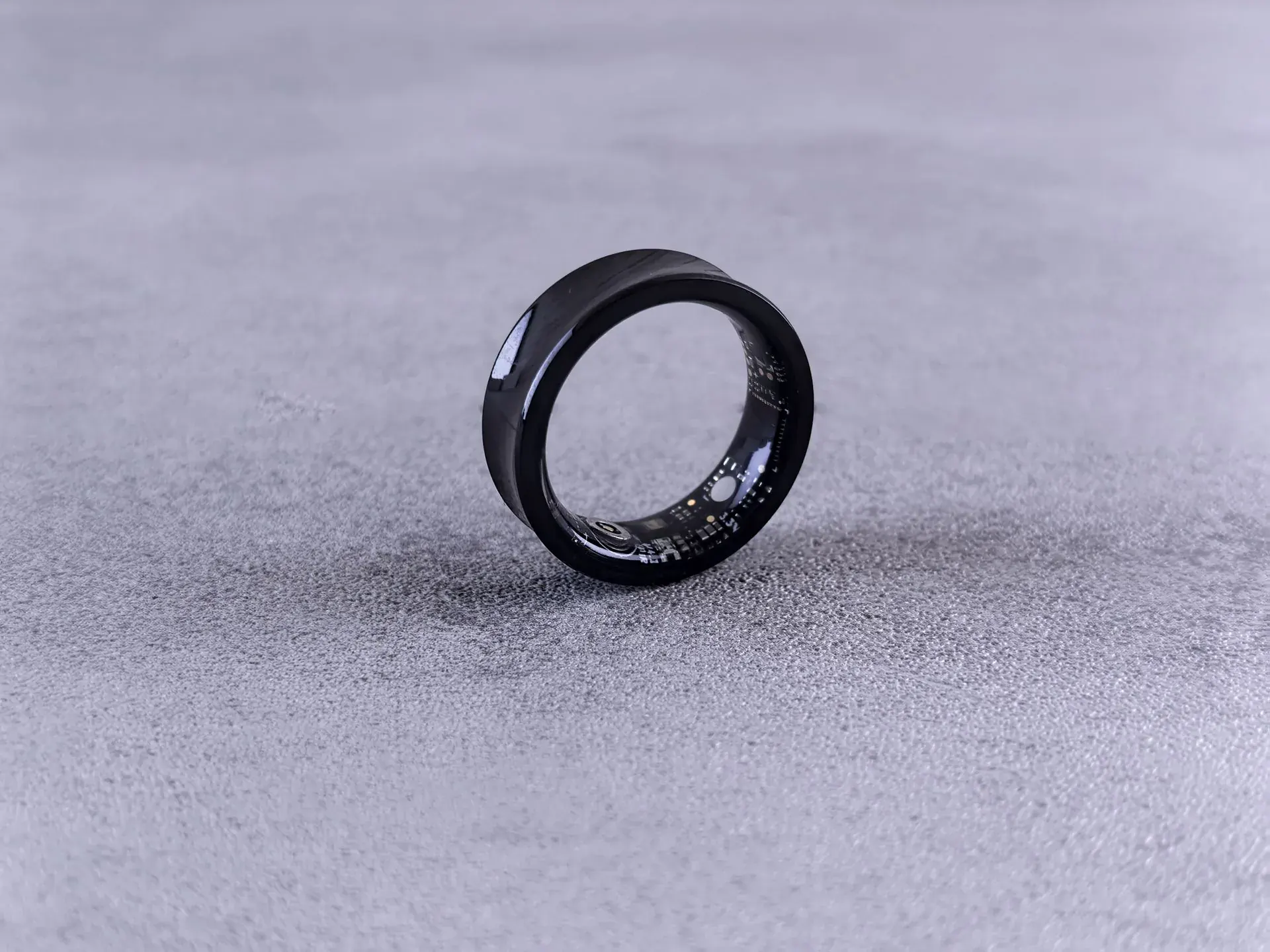
Consumer sleep trackers agree with clinical polysomnography, the actual gold standard test done with electrodes and a technician reading brainwaves, on somewhere between sixty and eighty five percent of sleep stages, depending on which stage you're asking about. Deep sleep and REM are the hardest to get right.
The gap between what your ring says and what your brain actually did can run close to forty percent. I strapped an Oura Ring to my finger and a Garmin to my wrist and waited for enlightenment.
Spoiler, it didn't arrive in a push notification. There's a name now for what happens when the gap between the device and the body starts to matter more than the body itself.
Orthosomnia, a preoccupation with achieving a perfect sleep score, sometimes bad enough that people report feeling worse about sleep they'd have otherwise called fine. I noticed it in myself before I had the word for it.
Waking up rested, then checking the app, then feeling vaguely cheated by a number that disagreed with how I actually felt. None of that makes the ring useless.
It just means the number deserves the same scrutiny I'd give any other secondhand account of my own night, not automatic authority over how the morning actually feels. A morning where the ring disagrees with how I actually feel isn't a crisis.
It's just two readings in the room. I've decided my own is allowed a vote too.
The device isn't lying exactly. It's guessing, from movement and heart rate, at something it can't directly see.
I've started treating the score as one imperfect opinion in the room, not the only one that gets to vote.