Abstract Tech: Visual Language of the Future
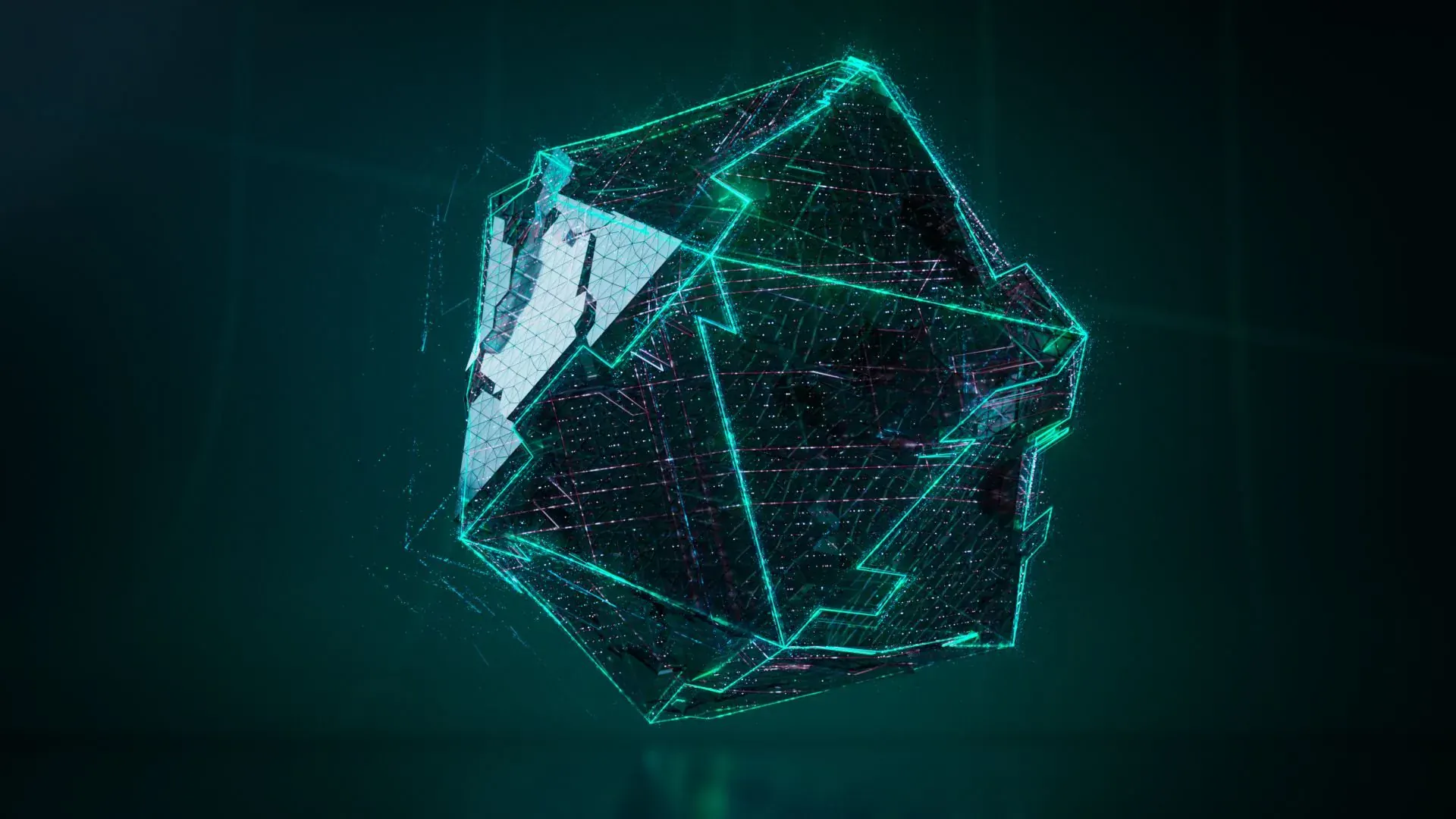
Over the past decade or so, many prominent interfaces have moved away from imitating familiar textures such as leather stitching, paper grain and brushed metal. In their place came flatter, more abstract shapes that make less effort to resemble physical objects.
Technology stopped borrowing the visual language of familiar objects and started inventing its own. Technology has developed its own aesthetic.
Neon grids. Glitch effects.
Holographic interfaces. These images don't resemble any machine I've actually used.
That's rather the point of them. I think that abstraction is doing real work, not just decoration.
It's a way of representing something that has no physical shape at all, a translation of an internal, conceptual thing into an image a person can actually look at and feel something about. I find myself reaching for the same kind of abstraction when words alone won't hold an idea steady.
A shape, a colour, something that isn't literally true but gets closer to the feeling of the thing than a literal description manages. If anything, the abstraction gets closer to the actual feeling than a literal picture of a server room ever could manage on its own.
I've stopped expecting the picture to resemble anything real. That was never actually the job it was doing for me.
It was always doing something closer to translation than depiction. I've stopped expecting it to do anything else.
The wireframe on the screen isn't a picture of any real machine. It's a picture of what thinking about the future currently feels like, which might be the more honest subject anyway.