What Responsible AI Means on an Ordinary Day
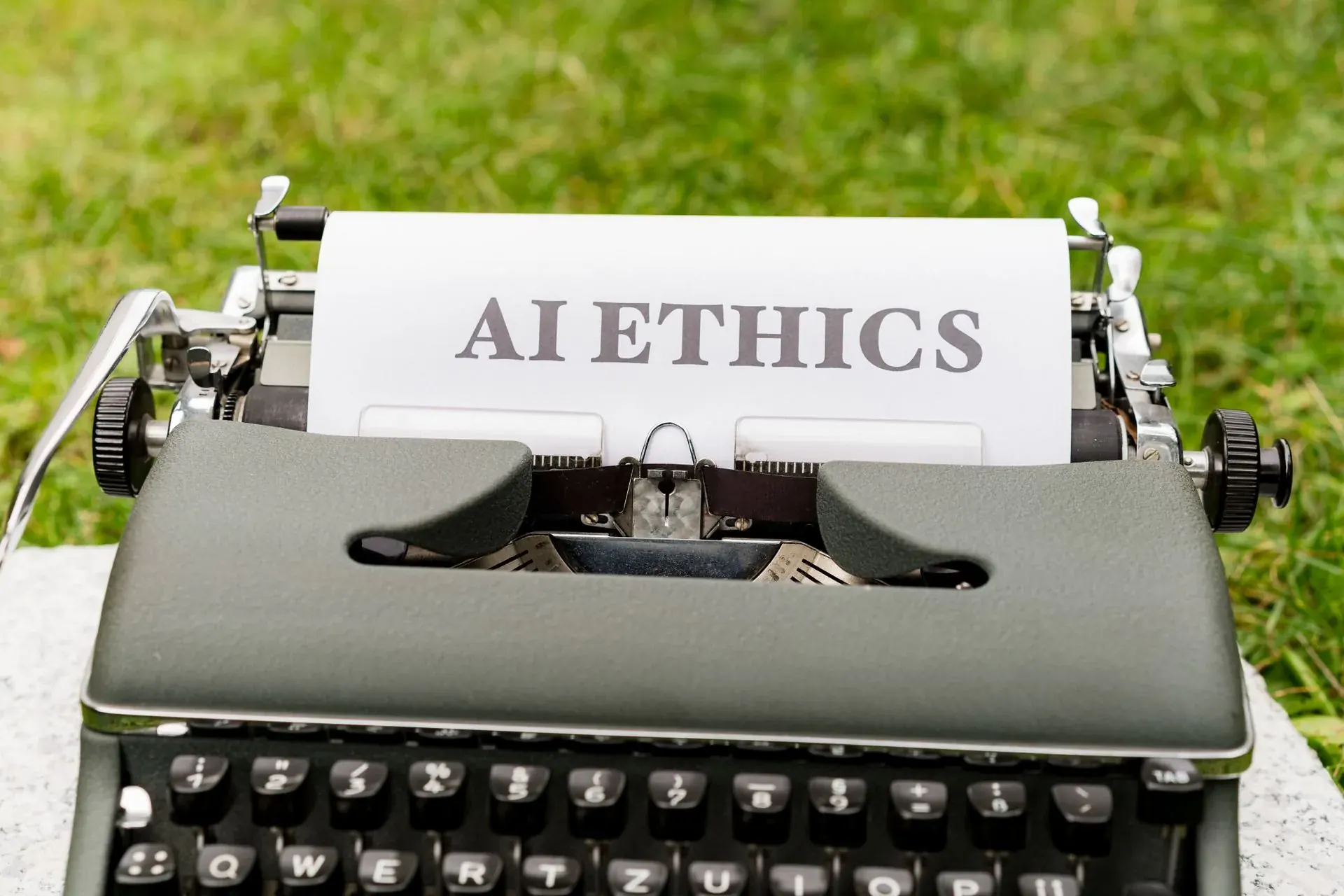
Risk-based AI regulation does not treat all uses of the technology the same way. Frameworks such as the EU AI Act place heavier obligations on uses that can affect people's safety, rights or opportunities, while lower-risk uses face lighter requirements.
The principle is straightforward even when the rules are not: not every use of the same tool carries the same weight, and responsible use begins by noticing the difference.
The questions I ask about AI are ordinary ones. Privacy, trust, responsibility and whether a useful tool gives us more of what actually matters or just moves the same problem somewhere quieter.
I've started sorting my own daily use the same rough way the regulation does. A low stakes convenience, a draft email, gets used freely.
Anything touching someone else's information, someone else's decision, or someone else's trust gets a slower, more deliberate look before I let a tool anywhere near it. Responsible use, on an ordinary Tuesday, rarely looks like a grand ethical stand.
It looks like pausing half a second longer on the uses that could actually cost someone something. It means moving quickly through the ones that genuinely can't.
None of that requires waiting for the next piece of regulation to catch up. The sorting was always available to do by hand, one use at a time.
The typewriter on the grass doesn't run on anything. It just sits there, a reminder that ethics in this space was never really about the machine.
It was always about who decided to slow down before using it.