Journaling Prompts for Stillness
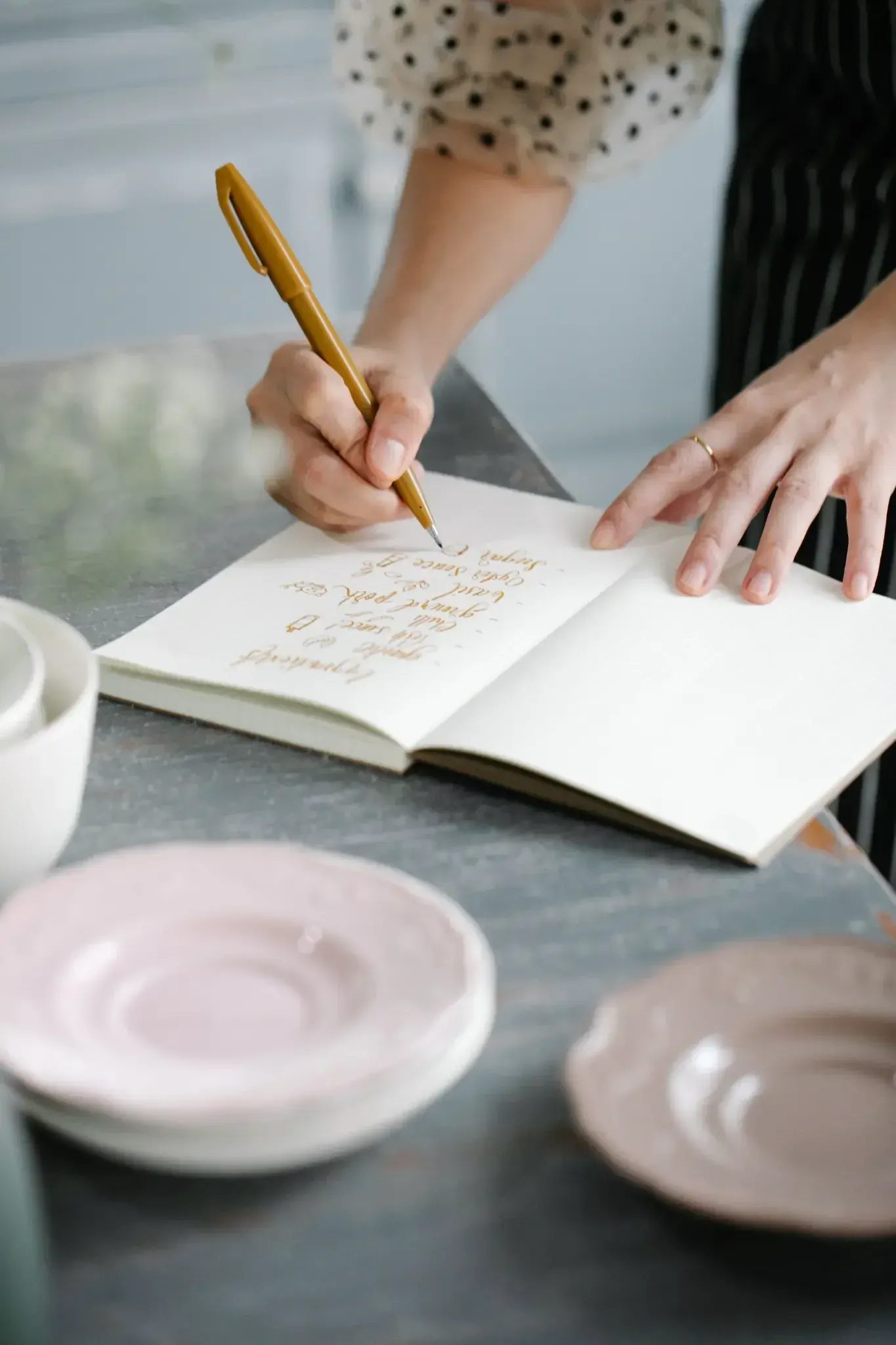
In the 1980s a psychologist asked a group of people to write about their most upsetting experiences for fifteen minutes a day, four days running. Nothing else changed in their lives.
And yet in the months after, they visited the doctor less, reported better mood, showed measurable improvements in immune function compared with people who spent the same fifteen minutes writing about something neutral. The writing itself did something the thinking alone hadn't.
A journal is not a diary. It is not a record of what happened.
It is a laboratory for what might happen if you actually let a thought finish the sentence it started, instead of catching it halfway and putting it away unexamined the way most of us do, most days. I used to think journaling was for people with tidier feelings than mine, the kind who could summarise a day in a paragraph.
Mine came out messier than that, half formed, contradicting itself by the second page. Apparently that's closer to the point than I realised.
It isn't about the neatness of what lands on the page. It's about finishing the sentence rather than abandoning it mid thought, the way most of us do with almost everything we actually feel.
None of that required good handwriting or tidy sentences. It just required staying with a thought long enough to see where it was actually going.
The gold pen doesn't matter. The blank page does.
What actually changes something is letting a thought run all the way to wherever it was actually going.