What My Oura Ring Taught Me About Sleep
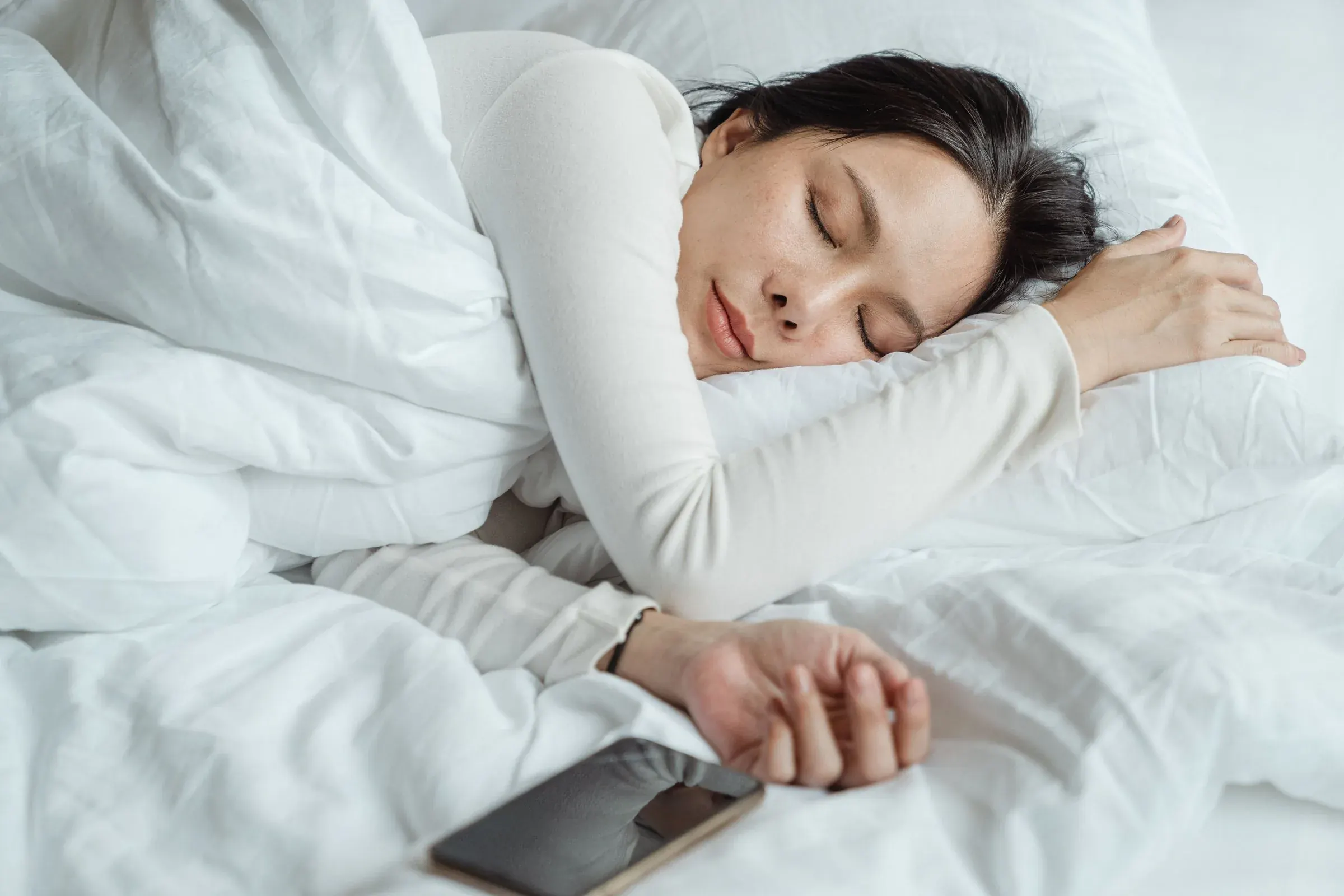
A wearable never actually watches your brain while you sleep. It watches your wrist, your pulse, the small movements your body makes without you.
From that it guesses which stage you were likely in. That's a reasonable estimate.
It is still, underneath the clean graph in the morning, an estimate. I used to wake up and check the score before I checked how I felt.
The ring got there first most mornings. I let it tell me whether my night had gone well before I'd asked my own body the same question.
What a wearable can reveal is real and useful, a rough shape of trends over weeks, a nudge toward an earlier bedtime. What it cannot know is the difference between a technically fragmented sleep that still left me clear headed, versus a technically tidy one that didn't.
I still wear it. I've just stopped letting the score arrive before my own read of the morning does.
I still find it strange how easily a guess dressed up in a clean graph can outrank my own direct experience of the thing being measured. The graph looks more objective.
It isn't necessarily more true. I've started treating the disagreement itself as useful information, a signal worth sitting with rather than a contradiction to immediately resolve in the device's favour.
Some mornings that means overriding the score entirely, on the strength of nothing more than how the day actually feels once I'm standing in it. Some mornings the numbers and the feeling agree.
On the mornings they don't, I've started trusting the body that was actually in the bed.