The Air We Share
Roughly 182 million tons of dust lift off the Sahara every year. Only a portion of that, something like 27 million tons, actually completes the crossing to the Amazon, the rest scatters elsewhere over the Atlantic.
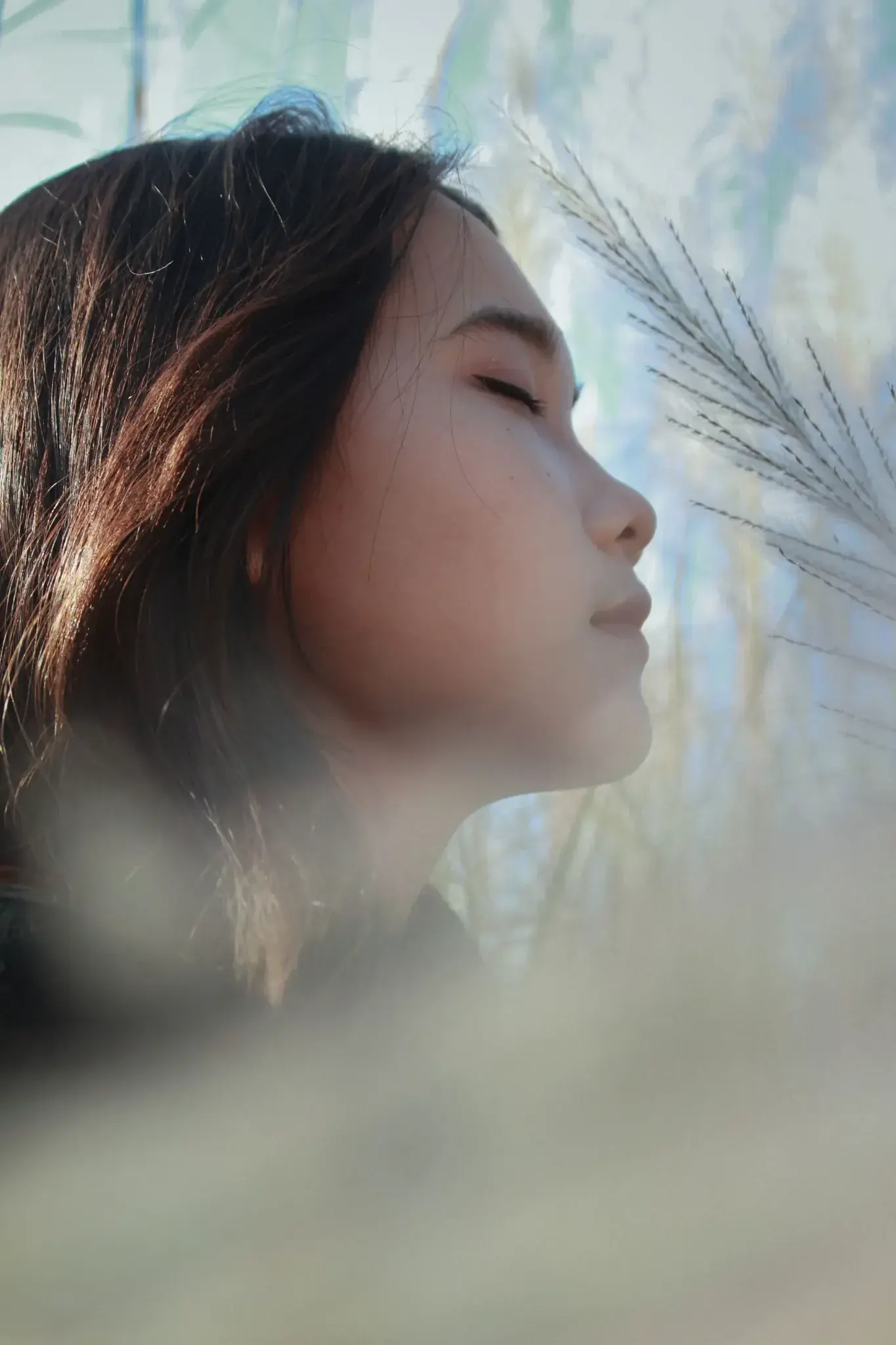
A woman tilts her face into the wind, eyes closed, letting it move past her the way you'd let a river move past you.
That air has been somewhere else. Every year, tens of millions of tons of dust lift off the Sahara and cross an entire ocean, landing in the Amazon, feeding soil that would otherwise starve for what it loses to rain and flooding.
Two of the most different places on earth, a desert and a rainforest, kept alive by the same moving air.
I find that hard to hold in my head properly. Not because it's complicated, but because it means the line I draw around where I end and the world begins was never really there.
The air I breathe out this morning becomes someone else's air by evening. Dust from a place I'll never see becomes soil under a tree I'll never stand beneath.
We're not really in the environment. We're a part of it that happens to be moving.
It changes what counts as mine to look after. Nothing is quite separate enough to ignore.
I notice it most in the quiet minutes, the ones where there's nothing to do but breathe and wait. Most days I rush straight through them looking for the next task.
But the air doesn't rush. It just keeps moving, the same handful of molecules cycling through forests and cities and lungs that have never met, patient in a way I'm still learning.
What would change if you thought of the air around you as something you're a part of, rather than something you simply stand in.