Can AI Help the Climate Without Becoming Another Cost?
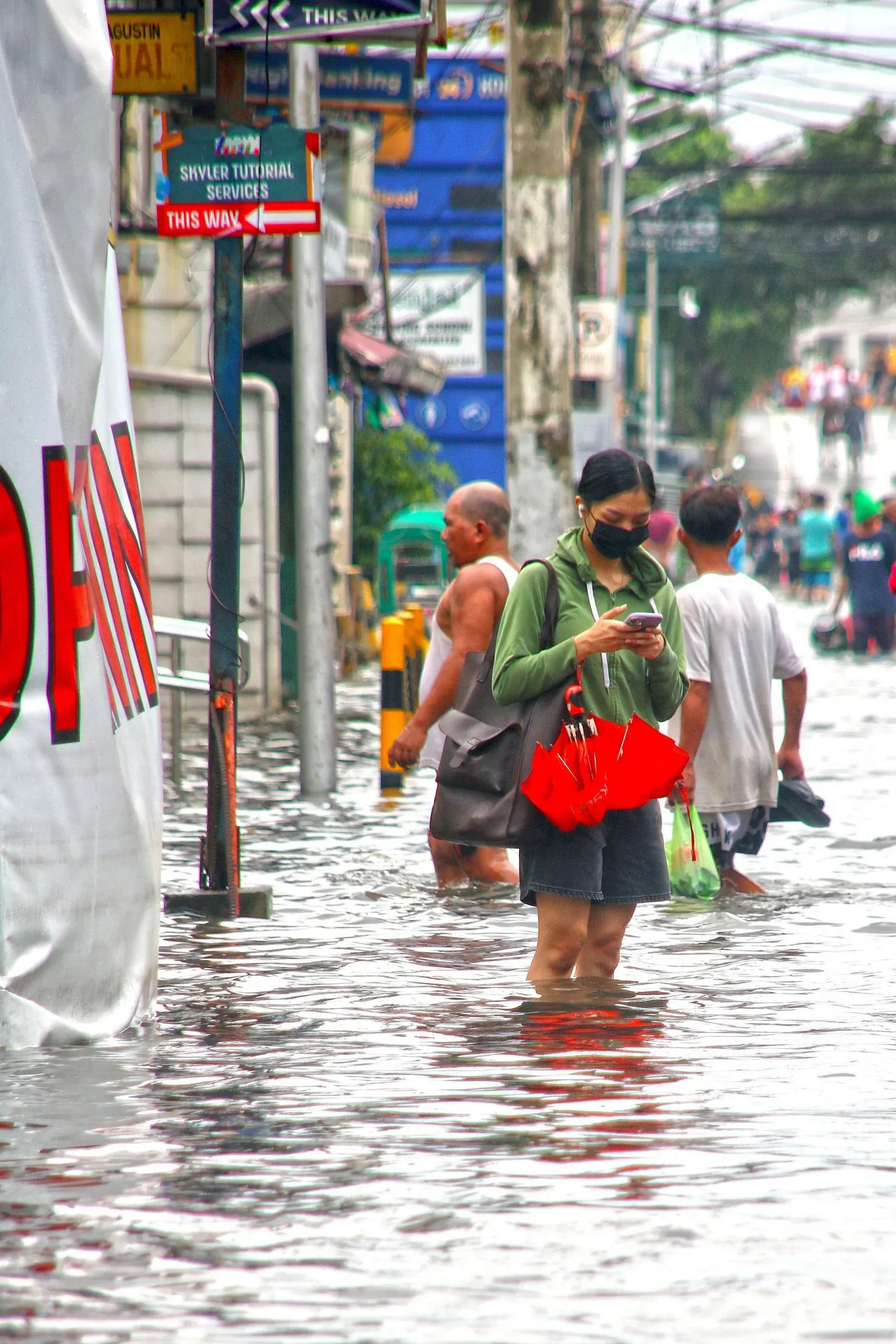
Researchers who've studied the resource use of large AI systems have documented a real cost, measurable electricity and water consumption tied to training and running the largest models, concentrated in data centres that need constant cooling. At the same time, some of that same technology is genuinely being used to model climate scenarios, optimise power grids and track deforestation at a scale humans couldn't manage alone.
Both of those facts are true simultaneously. A 2023 estimate suggested that a GPT-3-class system could consume roughly 500 millilitres of water for every 10 to 50 medium-length responses, depending on where and when it operated. The estimate includes water connected to data-centre cooling and electricity generation, and it varies with the model, location, workload and cooling method.
An AI response feels weightless because it arrives as text on a screen. Behind that text are servers, electricity, cooling systems and the water required to keep the infrastructure operating. Lately I've been thinking about the neat, clever tools that promise to help us meet climate goals.
They can. They often do.
They also cost something to exist in the first place, a cost that doesn't show up in the same sentence as the promise. The person in this photograph is wading through water that used to be a street, holding a phone that's connected, somewhere far away, to exactly the kind of infrastructure this piece is about.
I don't think the honest answer is to reject the tool or to trust it uncritically. It's to hold both costs and benefits in view at once, rather than letting the promise of the solution erase the price of the thing doing the solving.
I think that's the honest position to hold, neither cheering the tool uncritically nor dismissing it outright, just keeping both sides of the ledger genuinely open at once. Some of what's coming for the flood in that photograph will be modelled by a system that used real water to cool itself somewhere else, on the way to helping.
That contradiction doesn't cancel the help. It just means the help isn't free.