Can Technology Help Us Notice More?
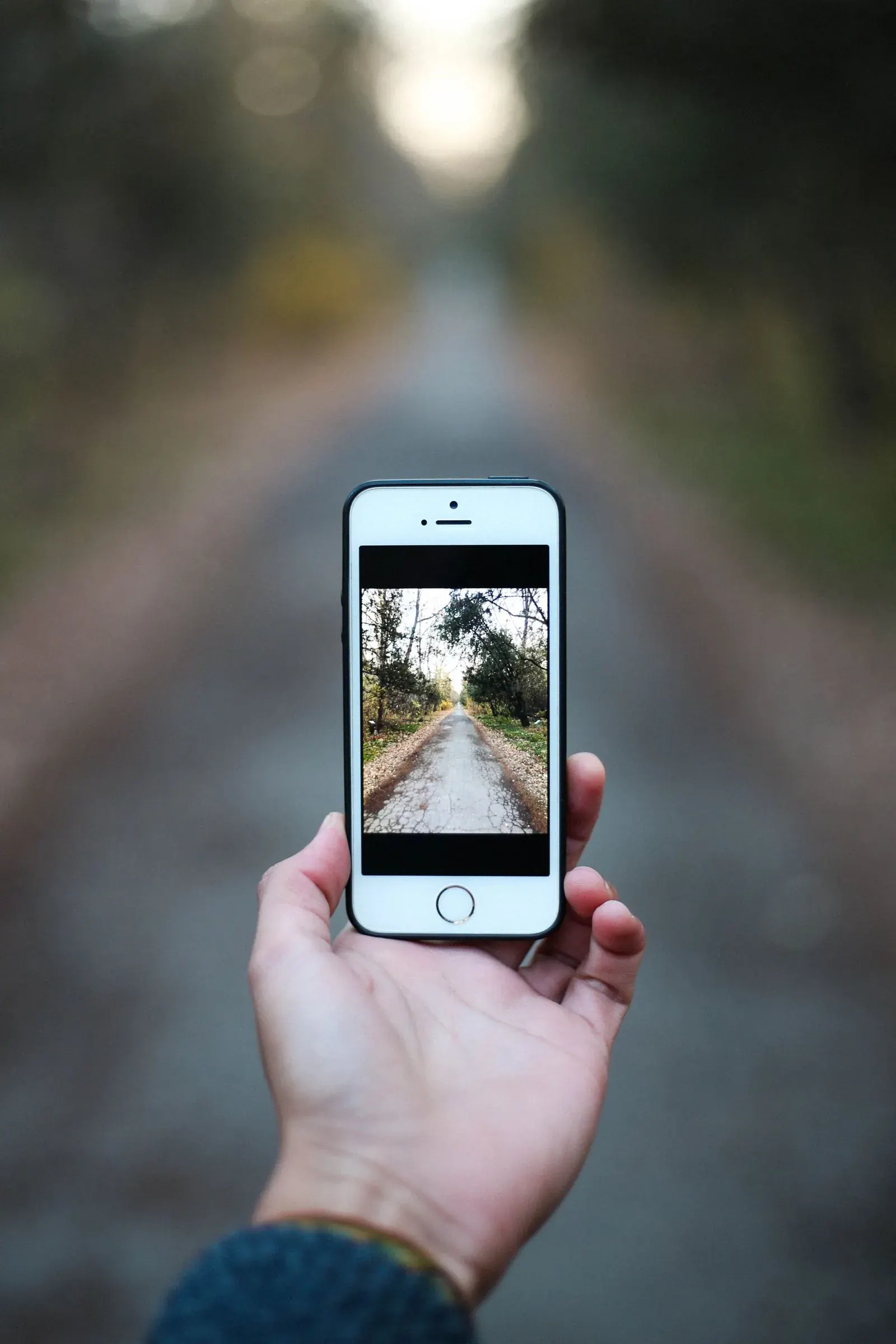
In a museum study, psychologist Linda Henkel found that people who photographed objects remembered fewer of them, and fewer of their details, than people who simply observed them. Henkel called this the “photo-taking-impairment effect.”
It is not a verdict against cameras. It is a reminder that the way we use them can shape what we take in. Many of us have left a beautiful place with dozens of photographs but only a vague memory of being there. The camera recorded the moment, but our attention may have been somewhere else.
I have a small ritual of standing at the kitchen sink for a minute before I turn on the kettle, partly because it's the only unhurried minute most mornings actually offer. The same study found something worth noticing though.
When people zoomed in to photograph one specific detail, rather than capturing the whole object at once, their memory wasn't impaired at all. The close attention required to frame that detail seemed to do the remembering the wide, distracted shot had skipped.
That distinction feels like the real answer to whether technology helps us notice more. Not whether a phone is in the hand.
Whether the attention required to use it well was actually paid, or whether the device was simply asked to notice on our behalf. I think that's the real answer buried in the finding.
The camera is not automatically the enemy of memory. The more useful question is whether it supports attention or substitutes for it.
That's a small, specific correction to carry forward, worth remembering the next time a phone comes out before a proper look has happened. I've started photographing less and looking longer before I do it.
The picture I take afterward turns out better anyway, once the noticing happened first instead of being outsourced to the shutter.