What My Garmin Taught Me About Effort
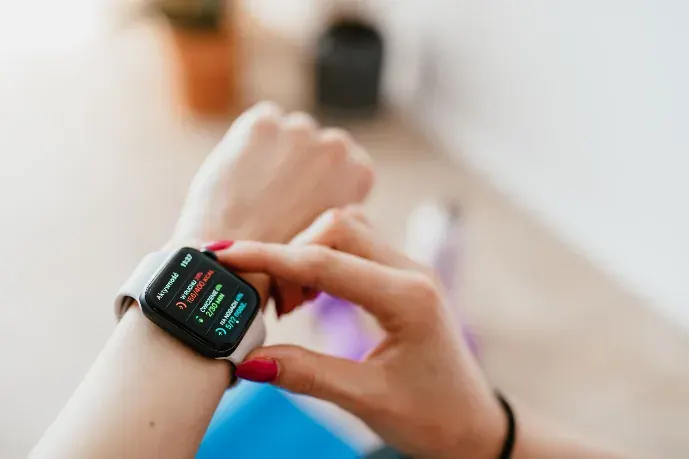
There's a scale used in exercise science called perceived exertion, effort rated by how it actually feels rather than by a heart rate number alone. It exists because the two don't reliably agree.
Sleep, stress, heat and plenty else can make a given heart rate feel completely different from one day to the next. When I first strapped a Garmin to my wrist I expected it to be a strict accountant of exertion, an impartial judge finally settling the question of how hard I was actually working.
What I got instead was a number that sometimes matched what my body was telling me and sometimes flatly contradicted it. A slow, easy looking session that the watch rated as strenuous.
A session that felt like effort barely registering as one. I used to defer to the number automatically, assuming the device knew something about my own exertion that I didn't.
I'm learning to hold the two readings side by side instead, the watch's version and my own. I'm trying to trust that disagreement is information, not a malfunction.
I think what I actually wanted from the watch was permission, some outside authority confirming the effort had been real. It turns out that confirmation was never the watch's to give in the first place.
I still wear it most days. I've just stopped treating its verdict as final, especially on the days my own body was clearly reporting something else entirely.
The watch measures one thing well. My body has been measuring effort a great deal longer.
It isn't wrong just because it doesn't come with a screen.